🚚 Free Worldwide Shipping on All Orders!Shop Now

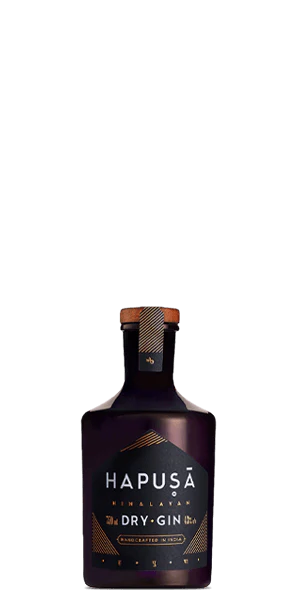
Hapusa Himalayan Dry Gin
Upstart Indian distiller Nao Spirits brings the flavors of the Himalayas to a fragrant, floral, and citrusy Gin.
Nao Spirits came to life in 2015 as the entrepreneurial brainstorm of to local bar owners looking to build a locally influenced craft Gin in India — the place where the Gin & Tonic was invented. It helped that one of them — cofounder Anand Virami — had worked in the marketing and brand management departments of Moët Hennessy, William Grant & Sons (Glenfiddich), and Rémy Cointreau. So the two men purchased a small copper still named Agatha and began experimenting with Indian botanicals to find just the right combinations.
"Hapusa" has a double meaning for this Gin. In India, it’s the name of the common Mango fruit that Portuguese traders called Alphonso. In Celtic-influenced languages of the UK it means "Happy" or "Happiness."
Hapusa Himalayan Dry Gin is made from botanical infusions that you would find in the kitchen cabinets of nearly every Indian household — including Himalayan juniper, turmeric, mango, ginger, cardamom, coriander seeds, gondhoraj limes, and almonds.
Smartass Corner:
Gondhoraj limes have been called "The King of Limes." Often confused with the Kaffir lime, the Gondhoraj is actually a cross between a regular lime and a mandarine orange. Attempts to grow this exceptionally fragrant fruit outside of India’s Bengal region have failed.
Nao Spirits came to life in 2015 as the entrepreneurial brainstorm of to local bar owners looking to build a locally influenced craft Gin in India — the place where the Gin & Tonic was invented. It helped that one of them — cofounder Anand Virami — had worked in the marketing and brand management departments of Moët Hennessy, William Grant & Sons (Glenfiddich), and Rémy Cointreau. So the two men purchased a small copper still named Agatha and began experimenting with Indian botanicals to find just the right combinations.
"Hapusa" has a double meaning for this Gin. In India, it’s the name of the common Mango fruit that Portuguese traders called Alphonso. In Celtic-influenced languages of the UK it means "Happy" or "Happiness."
Hapusa Himalayan Dry Gin is made from botanical infusions that you would find in the kitchen cabinets of nearly every Indian household — including Himalayan juniper, turmeric, mango, ginger, cardamom, coriander seeds, gondhoraj limes, and almonds.
Smartass Corner:
Gondhoraj limes have been called "The King of Limes." Often confused with the Kaffir lime, the Gondhoraj is actually a cross between a regular lime and a mandarine orange. Attempts to grow this exceptionally fragrant fruit outside of India’s Bengal region have failed.
Select Retailer
From $14.70
Original: $48.99
-70%Hapusa Himalayan Dry Gin—
$48.99
$14.70Product Information
Product Information
Shipping & Returns
Shipping & Returns
Description
Upstart Indian distiller Nao Spirits brings the flavors of the Himalayas to a fragrant, floral, and citrusy Gin.
Nao Spirits came to life in 2015 as the entrepreneurial brainstorm of to local bar owners looking to build a locally influenced craft Gin in India — the place where the Gin & Tonic was invented. It helped that one of them — cofounder Anand Virami — had worked in the marketing and brand management departments of Moët Hennessy, William Grant & Sons (Glenfiddich), and Rémy Cointreau. So the two men purchased a small copper still named Agatha and began experimenting with Indian botanicals to find just the right combinations.
"Hapusa" has a double meaning for this Gin. In India, it’s the name of the common Mango fruit that Portuguese traders called Alphonso. In Celtic-influenced languages of the UK it means "Happy" or "Happiness."
Hapusa Himalayan Dry Gin is made from botanical infusions that you would find in the kitchen cabinets of nearly every Indian household — including Himalayan juniper, turmeric, mango, ginger, cardamom, coriander seeds, gondhoraj limes, and almonds.
Smartass Corner:
Gondhoraj limes have been called "The King of Limes." Often confused with the Kaffir lime, the Gondhoraj is actually a cross between a regular lime and a mandarine orange. Attempts to grow this exceptionally fragrant fruit outside of India’s Bengal region have failed.
Nao Spirits came to life in 2015 as the entrepreneurial brainstorm of to local bar owners looking to build a locally influenced craft Gin in India — the place where the Gin & Tonic was invented. It helped that one of them — cofounder Anand Virami — had worked in the marketing and brand management departments of Moët Hennessy, William Grant & Sons (Glenfiddich), and Rémy Cointreau. So the two men purchased a small copper still named Agatha and began experimenting with Indian botanicals to find just the right combinations.
"Hapusa" has a double meaning for this Gin. In India, it’s the name of the common Mango fruit that Portuguese traders called Alphonso. In Celtic-influenced languages of the UK it means "Happy" or "Happiness."
Hapusa Himalayan Dry Gin is made from botanical infusions that you would find in the kitchen cabinets of nearly every Indian household — including Himalayan juniper, turmeric, mango, ginger, cardamom, coriander seeds, gondhoraj limes, and almonds.
Smartass Corner:
Gondhoraj limes have been called "The King of Limes." Often confused with the Kaffir lime, the Gondhoraj is actually a cross between a regular lime and a mandarine orange. Attempts to grow this exceptionally fragrant fruit outside of India’s Bengal region have failed.